An Indara Programme

The Site360 Project

Freeing up time for the work that matters.

Site360 will give Indara a single, trusted data and process foundation, owned by the people who use it, so our time goes to the work that matters, not the work that just recurs.

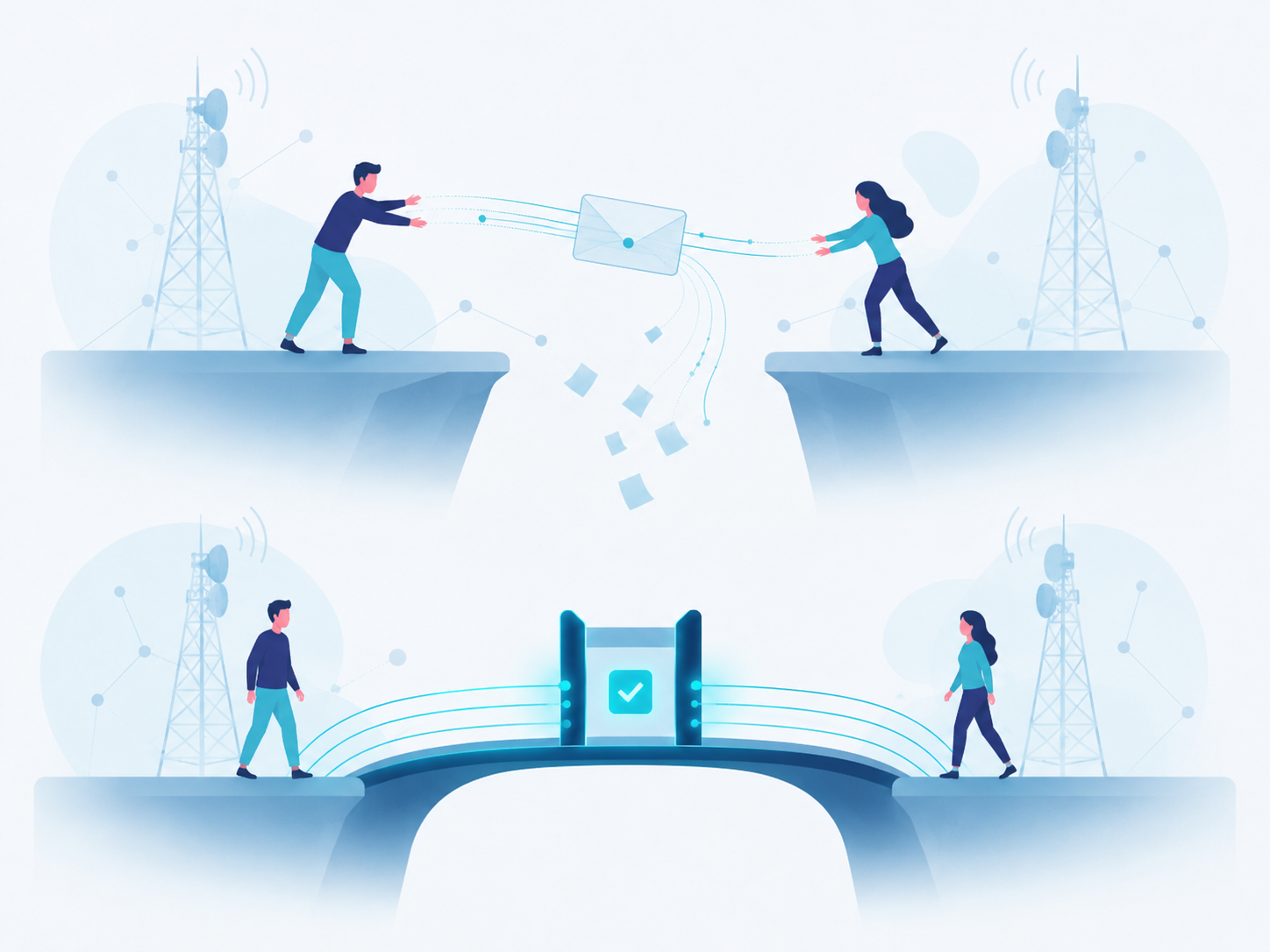
Illustration of a telecommunications tower rising above a connected landscape

We deliver a lot. The way we deliver it holds us back

Indara operates approximately 4,500 sites across Australia. Our operating model has grown through mergers and organic expansion. As a result of this ambitious expansion, our systems overlap, processes vary between teams, and data sits across multiple platforms without agreed ownership.

Between January and May 2026, we looked closely at how we work: eight discovery weeks, fifteen workshop days, interviews, and a leadership workshop. The findings were consistent, and they are characteristics of how the business operates today.

Illustration of data falling through the gap between two teams during an email handover
11+

Systems hold overlapping data

No single system holds the full picture, and no system has been agreed as the authority.

6

Master data domains, none with an owner

Sites, assets, leases, landlords, vendors, and hazards are each used by many teams and owned by none.

250+

Pain points identified

Clustered where work and data change hands between teams, not within any single function.

0

Completion gates on handovers

Cross-team handovers run on email, with no service levels and no check that the handover landed.

@

Decisions live outside the system

Approvals and escalations sit in email and spreadsheets. The system records when, not what was decided.

≠1

Customers see many Indaras

Operators, landlords, and contractors deal with different teams through different channels.

This is the opportunity in front of us: less time on rework and chasing information, decisions based on data we trust, and a more consistent experience for our customers. A stronger foundation sets us up for automation, growth, and new revenue.

One source of truth

Site360 will establish one trusted source of truth for our data and one consistent way of working across our processes, with a named owner for each. Information will be captured once, at the source, and will flow through without re-entry.

The idea will be that the system does the work, and the team does the thinking. Routine, recurring work moves into the system. Our people spend their time on judgement, customers, and improvement.

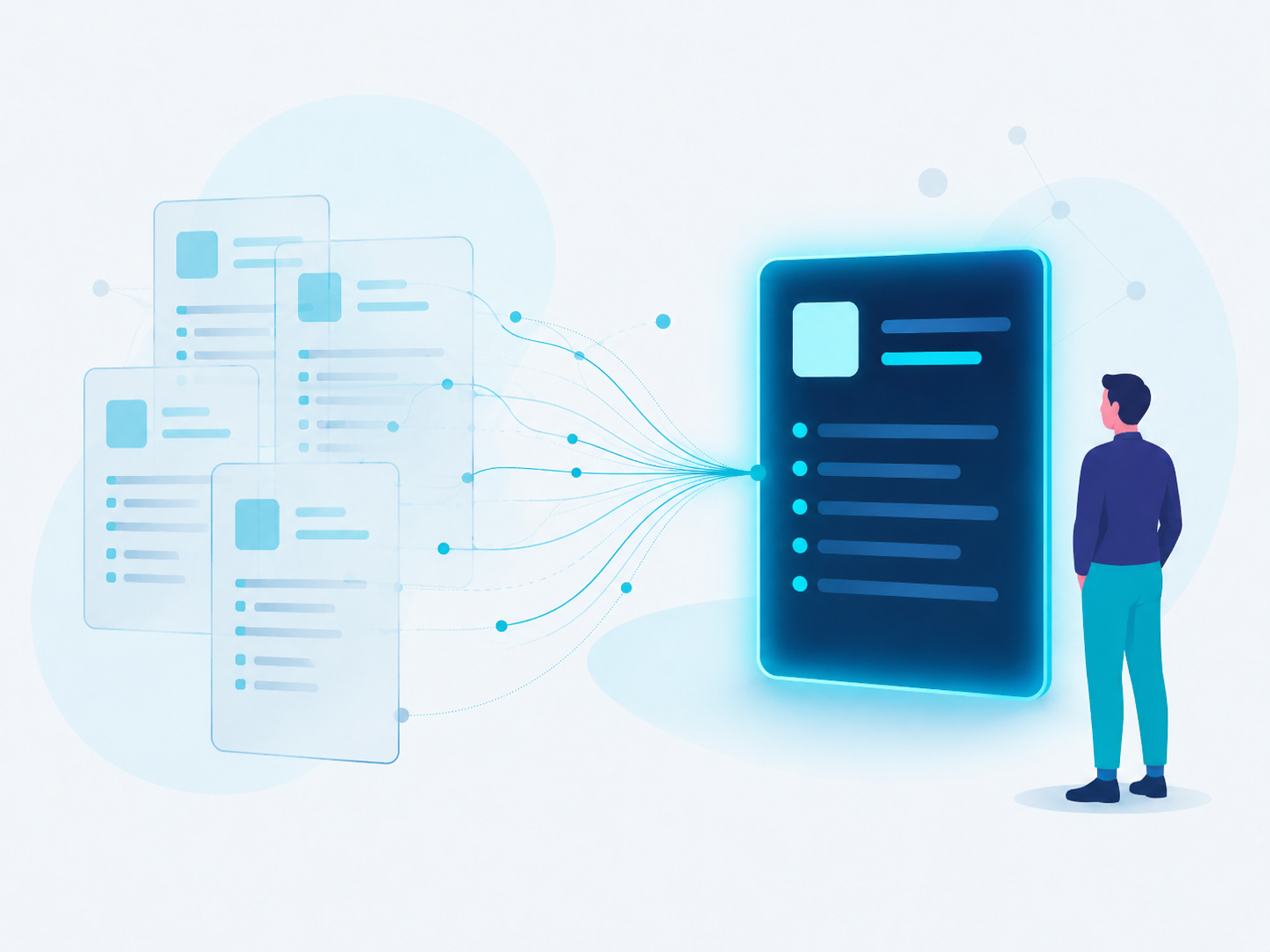
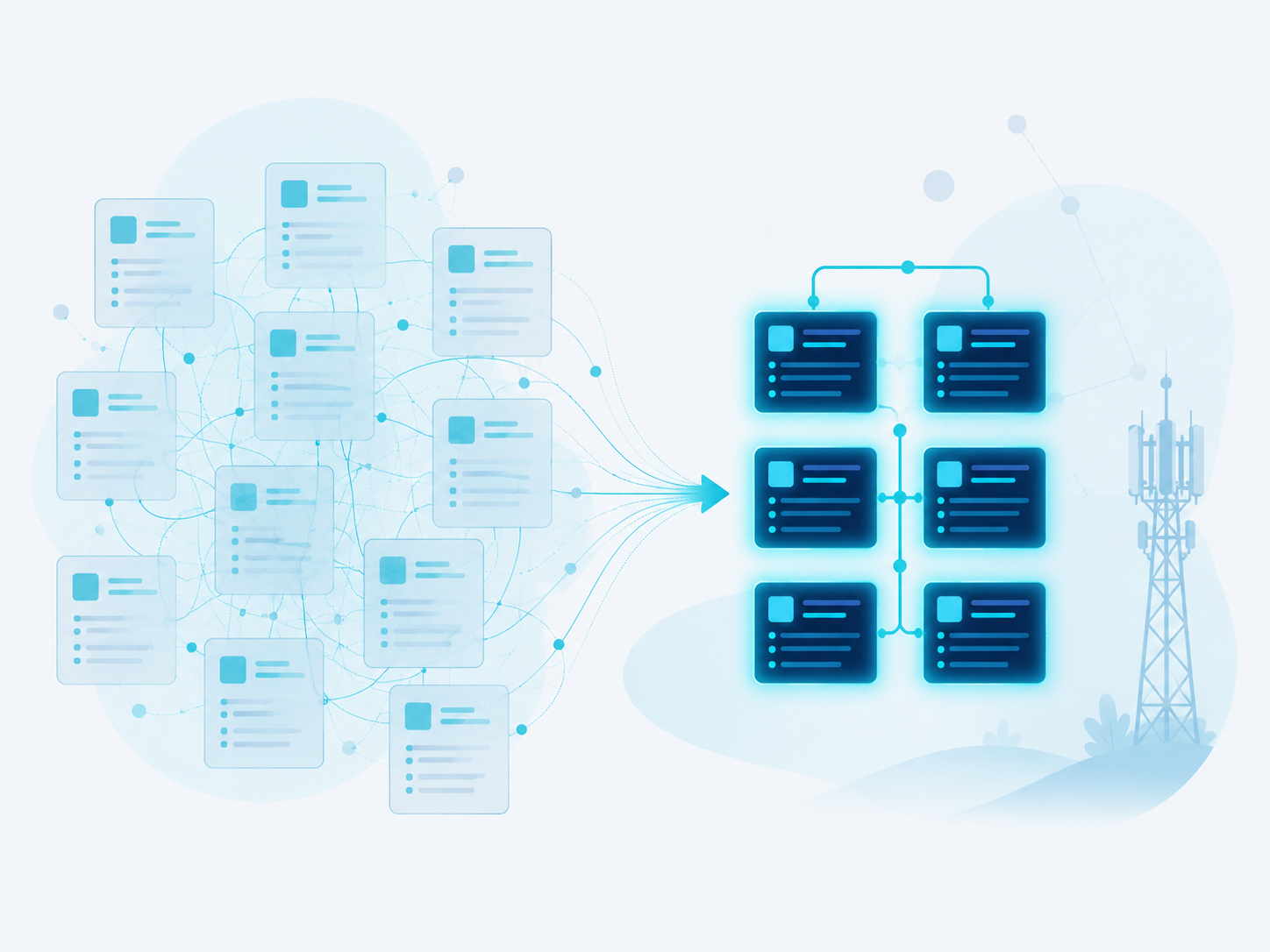
Illustration of many scattered record versions converging into one trusted record

“Site360 will give Indara a single, trusted data and process foundation, owned by the people who use it, so that our time goes to the work that matters, not the work that just recurs.”

Efficiency Consistency Customer focus Working smarter Strong data insights

From where we are to where we are going

Work is done differently across teams and sites

The same site is described differently depending on who you ask

Handovers run on email, and things fall through the gaps

Time is lost reworking, chasing, and re-entering information

Knowledge lives in the heads of a few key people

Reporting cannot be fully trusted, so decisions are slower

One trusted, owned source of truth for our data

Clear, shared processes that everyone follows

Handovers triggered in the system, with service levels and completion checks

Information captured once, at the source, flowing through without re-entry

Knowledge captured and retained by the business, not lost with people

Reliable reporting, faster decisions, and a foundation ready for automation

For our people

  • Less rework, less chasing, less double entry
  • Clear ownership, so you know what you own and who to go to
  • Time freed for judgement, improvement, and customers

For our customers

  • One front door for operators, landlords, and suppliers
  • A consistent, professional experience at every site
  • Faster, more reliable delivery from end to end

For the business

  • Operational efficiency and improved risk management
  • Trusted data as the basis for every decision
  • A foundation ready for automation, growth, and new revenue

Five changes you will notice

Illustration of a sprawl of overlapping platforms resolving into a defined landscape with clear boundaries

Site360 makes five concrete changes to how work moves through Indara. Every design decision in the next phase will be tested against these.

01

Work moves into the system of record

Decisions, approvals, and cross-team handovers are recorded as system events with a trigger, a service level, and a completion check. Email, SharePoint, and spreadsheets come out of the approval path.

02

Every data domain gets a named owner and one source of truth

One person is accountable for the quality of each domain, and one system holds the authoritative version. Every other team and system reads from there.

03

Time-based work triggers automatically

Lease expiries, market rent reviews, permit renewals, and Power Offer expiries are identified and actioned by the system, removing the reliance on manual reports.

04

Site access is identified, authorised, and logged

Anyone accessing a site is identified, authorised against a defined scope of work, and logged. Verified identity records replace free-text fields and manual permit checks.

05

One front door for each external party

Operators, landlords, and suppliers each get a single portal and a single point of contact for routine interactions, so Indara presents as one business.

In scope now
  • Process mapping and prioritised improvements
  • Clear data ownership and process ownership
  • Governance and decision rights
  • Defining future ways of working
  • Data analysis and identifying missing data
  • Requirements and business case artefacts
Likely next
  • AI agent pilot
  • Automation and AI upskilling
  • Broader automation enablement
  • Sitetracker upgrade recommendations
Not in this phase
  • Building or procuring new data management tools
  • Directly fixing data quality, rather than governing it
  • A standing centre of excellence

Six pillars of change

Five pillars describe distinct areas of change. Governance spans all five, holding the structure, decision rights, and accountability that keep them coordinated. 

Illustration of pillars with a governance beam spanning across them

Process

Data

Systems

People and Capability

Culture

Governance

· spans all five pillars

Process

Standard ways of working across teams, sites, and operators, defined at a strategic as well as an operational level, so work is consistent, accountable, and easier to improve.

Data

A single trusted source of truth, with named owners and quality measures for every domain, so every decision is based on reliable information.

Systems

A systems landscape with clear boundaries and agreed authority for each type of information, so our platforms support the data rather than fragmenting it.

People and Capability

Clear roles, accountabilities, and decision rights, and the capability to mature our processes and move towards automation over time.

Culture

A defined behaviour change, bringing two merged organisations to one way of working, delivered through the project as specific, observable behaviours rather than aspirational language.

Governance

The framework of ownership, decision rights, and oversight that sits across the other five pillars, defining how they are coordinated, resourced, and held accountable.

Where we are, and what comes next

Discovery is complete. We are now in the design phase, building the High-Level Design that goes to the Capital Approval Committee in August 2026. From there, an 18-month staged rollout delivers the change one priority area at a time.

Illustration of one repeatable delivery cycle run area by area, each loop ending in an embedded, handed-over process
Jan – May 2026 Complete

Discovery

Eight discovery weeks, fifteen workshop days, interviews, and a leadership workshop across nine functions. 250+ findings documented.

Aug 2026

Investment decision

High-Level Design complete and the Capital Approval Committee submission for the deployment investment case.

FY27 – FY28

Phased rollout

An 18-month staged rollout, phased by related data sets and functions, supported by the change, capability, and culture programme.

The rollout, in three phases
Phase 1

Foundations and early wins

  • Confirm scope and the reason for change
  • Establish governance and decision rights
  • Name data and process owners
  • Run the first improvement cycle
Phase 2

Progressive rollout

  • Embed and hand over the early areas
  • Advance the cycle to the next priorities
  • Extend data ownership across domains
  • Introduce the first automation pilots
Phase 3

Scale and embed

  • Complete the prioritised rollout
  • Scale automation where proven
  • Confirm the future operating model
  • Transition governance to business as usual

How each area is delivered · one repeatable cycle

1
Prioritise

Select the next priority area from the evidence

2
Onboard

Bring in the experts and owners the area needs

3
Change

Design and implement the process, data, and system improvements

4
Embed

Train, measure, and hold the new way of working in place

5
Hand over

Transition ownership to the business and move on

One foundation. One way of working. One Indara.

Freeing up time for the work that matters.

The Site360 Project · Indara